
Neuro Physio at NEO
One-on-one physiotherapy to rebuild movement, balance, and confidence after a neurological condition.
What Is Neuro Physiotherapy?
Neuro-physiotherapy focuses on neurological conditions that affect the brain, spinal cord, and peripheral nerves. These conditions can affect:
movement and coordination
balance and walking
strength and endurance
independence in daily activities
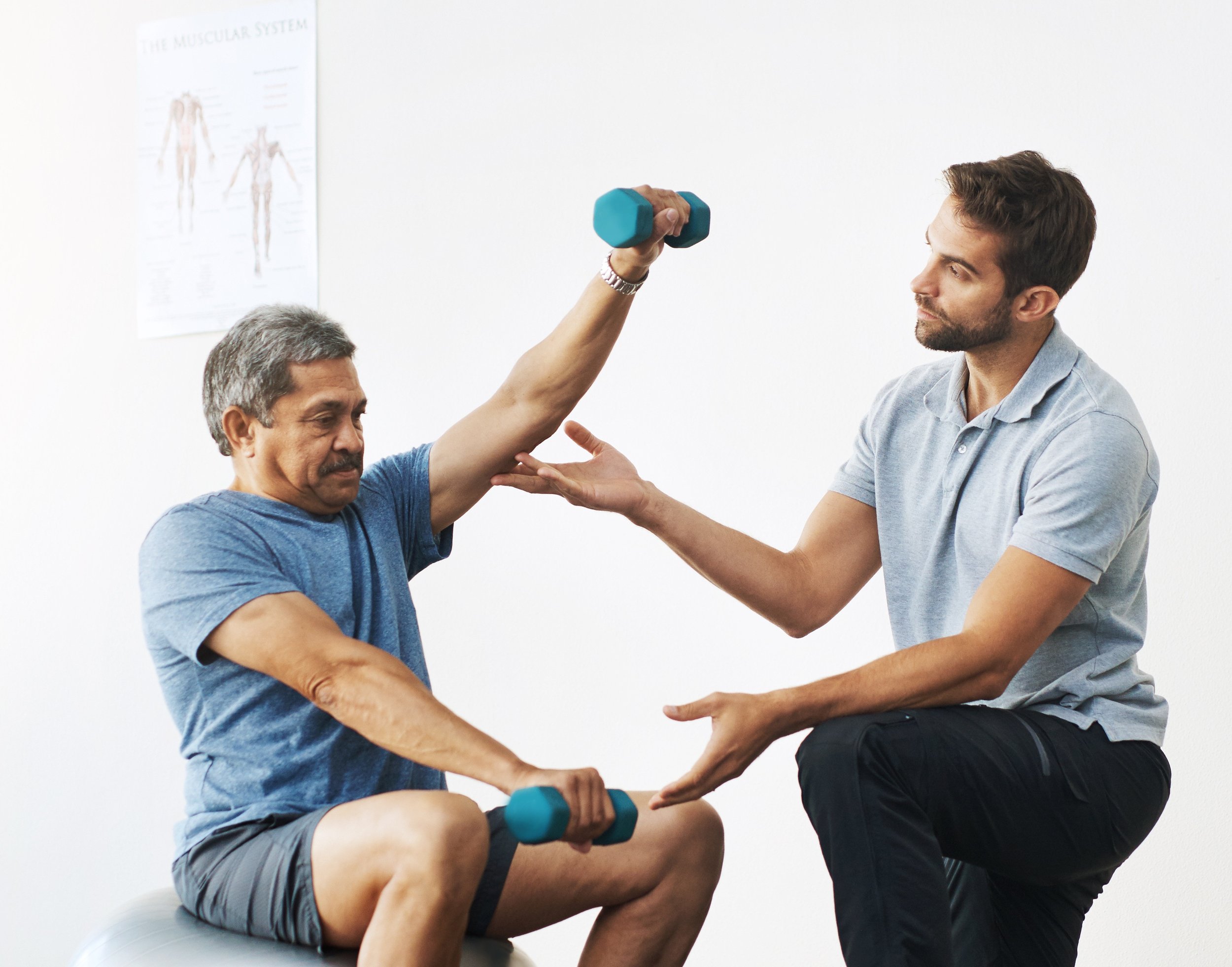
It uses targeted exercises, movement training, and rehabilitation strategies to help you regain function, improve independence, and reduce the risk of falls or further complications. At NEO, neuro-physiotherapy works alongside your neurological care — turning a diagnosis and treatment plan into real, everyday improvement.
Conditions We Treat
-
Stroke can affect strength, coordination, balance, speech, and daily activities. Neuro-physiotherapy helps you relearn movement patterns and regain independence — improving walking, restoring arm and hand function, building balance, and reducing the risk of falls. It may include gait training, task-specific exercises, and strategies to improve mobility and endurance.
-
Parkinson's commonly affects movement, posture, balance, and walking speed. Therapy focuses on posture correction, gait training, balance exercises, and movement training to improve mobility and coordination, and can help with freezing of gait, stiffness, and reduced arm swing — so you can move more confidently and safely.
-
Peripheral neuropathy can cause numbness, weakness, reduced sensation in the feet, and balance problems. Therapy focuses on strengthening muscles, improving coordination, and building balance to reduce fall risk, and may include gait retraining, sensory-based training, and exercises to help you adapt safely to changes in sensation.
-
Ataxia causes poor coordination and unsteady movement that can affect walking, balance, and fine motor control. Therapy uses targeted balance training, posture-control exercises, and structured gait practice to improve stability, movement efficiency, and independence.
-
Balance problems can come from neurological conditions, inner-ear disorders, neuropathy, aging, or medication effects. Therapy focuses on stability, walking confidence, and fall prevention, and may include balance training, strength exercises, vestibular techniques, and mobility training for safe movement at home and in the community.
IMPORTANT NOTE
The NEO Neuro-Physiotherapy Clinic does not treat primary musculoskeletal conditions such as knee pain, hip pain, joint injuries, neck pain, low back pain, or sciatica. For these concerns, a general physiotherapy clinic that focuses on musculoskeletal rehabilitation is recommended.
What Your First Visit Looks Like
Your first appointment is an initial assessment (90-minute) — a comprehensive neurological movement assessment, a review of your medical history, and an evaluation of your balance, gait, strength, and coordination. From that, your physiotherapist builds an individualized rehabilitation plan around your condition and your goals.
Follow-up sessions (30- or 45-minute) focus on guided therapy, exercise progression, balance and gait training, and ongoing rehabilitation based on that plan.
Ready to Get Started?
You can book neuro-physiotherapy directly — no referral needed. Choose a time through our online booking system, and start with an initial assessment.