
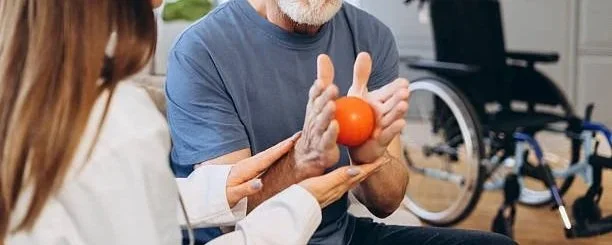
Spasticity Management
Assessment and treatment to ease muscle stiffness and spasms, and make movement and daily care more comfortable.
What Is Spasticity?
Spasticity is a neurological condition characterized by increased muscle stiffness and involuntary muscle tightening. It occurs when there is damage to the parts of the brain or spinal cord that control voluntary movement. As a result, the normal signals that regulate muscle tone are disrupted, causing muscles to remain overly tight or to contract involuntarily.
Spasticity can affect different parts of the body, including the arms, legs, hands, or feet, and its severity can range from mild stiffness to severe muscle spasms that interfere with movement and daily activities.
-
Common symptoms of spasticity may include:
Muscle stiffness or tightness
Difficulty moving joints or limbs
Involuntary muscle spasms or jerking movements
Muscle cramps or sustained contractions
Reduced range of motion
Abnormal posture of the arms, legs, or hands
Pain or discomfort from muscle tightness
Difficulty with walking, balance, or coordination
Symptoms may worsen with fatigue, infections, sudden movements, or other physical stress.
-
Spasticity follows damage to the nerve pathways that control muscle tone. Common causes include:
Stroke
Multiple sclerosis
Spinal cord injury
Cerebral palsy
Traumatic brain injury
Brain or spinal cord tumours
Certain neurodegenerative disorders
Treatment Goals
Spasticity treatment is planned around your goals, which may include:
relieving the signs and symptoms of spasticity
reducing pain, spasms, or irritating triggers
improving walking, hygiene, daily activities, or ease of care
making it easier for a caregiver to help with dressing, feeding, transfers, and bathing
improving active movement — reaching, grasping, moving, and releasing objects
How NEO Treats Spasticity
Treatment starts with an assessment to understand which muscles are affected and how spasticity is getting in the way of movement, comfort, or care. From there, NEO offers:
Botulinum toxin A injections (Botox®, Dysport®, or Xeomin®) — targeted injections that relax specific overactive muscles, usually repeated on a schedule.
Neuro-physiotherapy — movement and stretching work that supports the injections and helps maintain range of motion and function. «new» The two work together, coordinated by one team.

-
Spasticity treatment with Botulinum toxin A is a fully insured service by OHIP.
Neurophysiotherapy is not covered by OHIP.
-
Spasticity assessment and treatment at NEO begin with a referral from your family doctor or nurse practitioner. Ask your provider to refer you to NEO for spasticity management.
For Referring Providers
NEO accepts spasticity referrals for adults 18 and older, for spasticity secondary to stroke, spinal cord injury, MS, traumatic brain injury, cerebral palsy, or other neurological conditions.